When Two Months of Burden Becomes Clinical Depression: What a 2026 Study Found
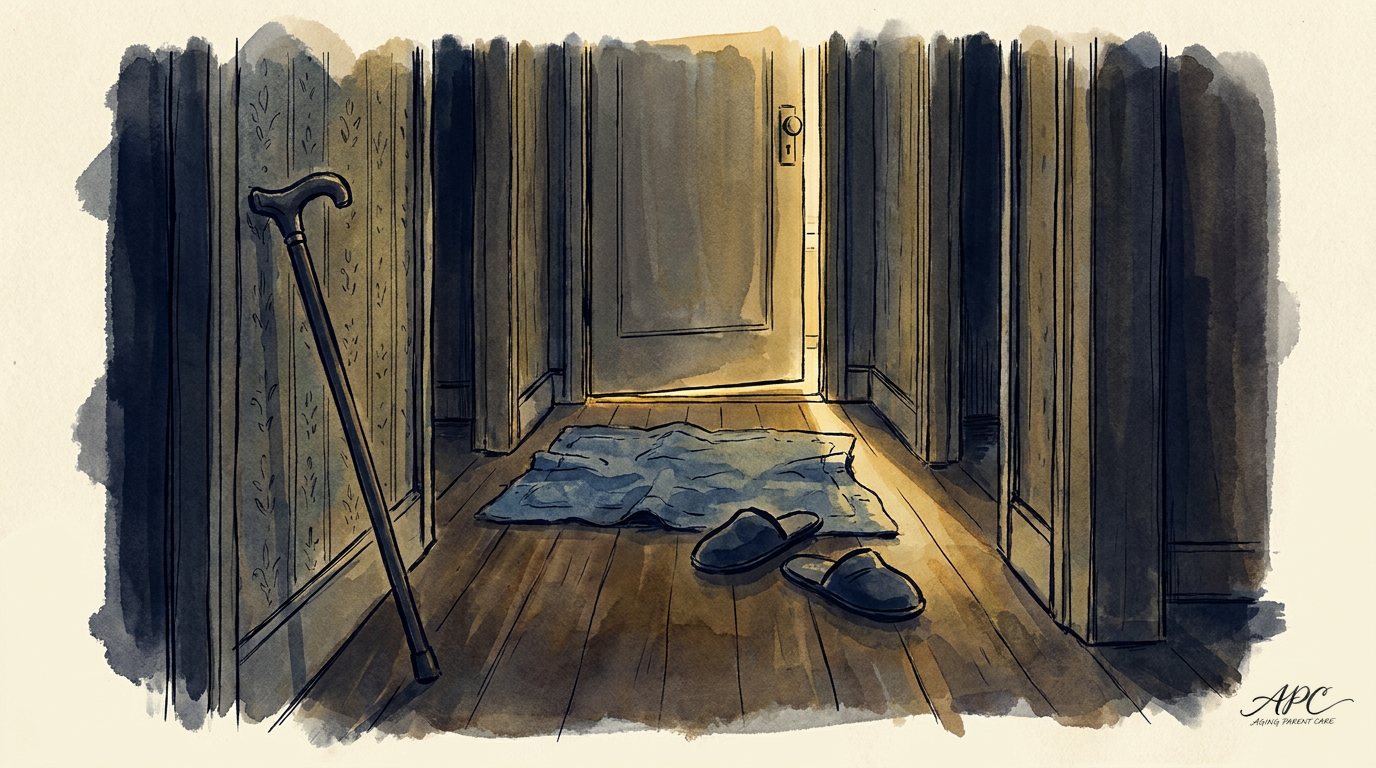
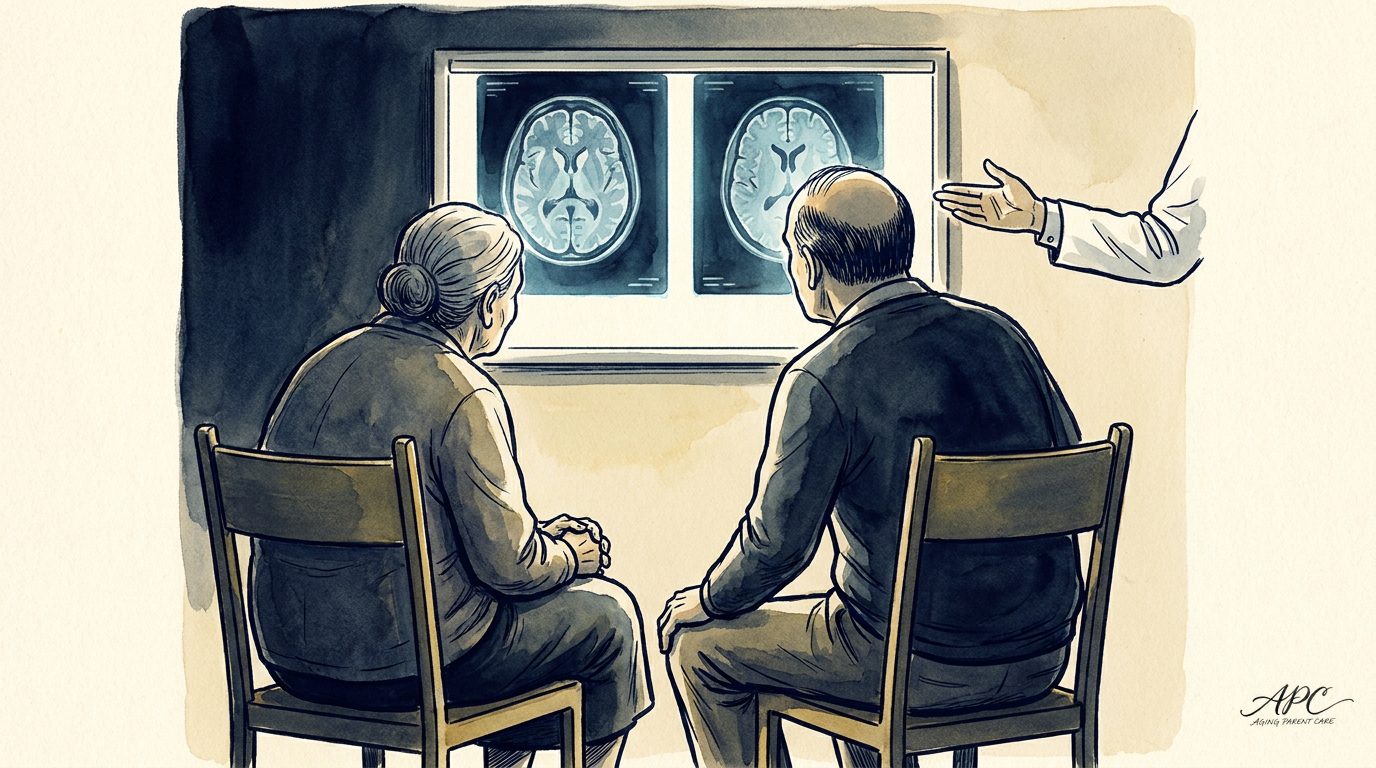
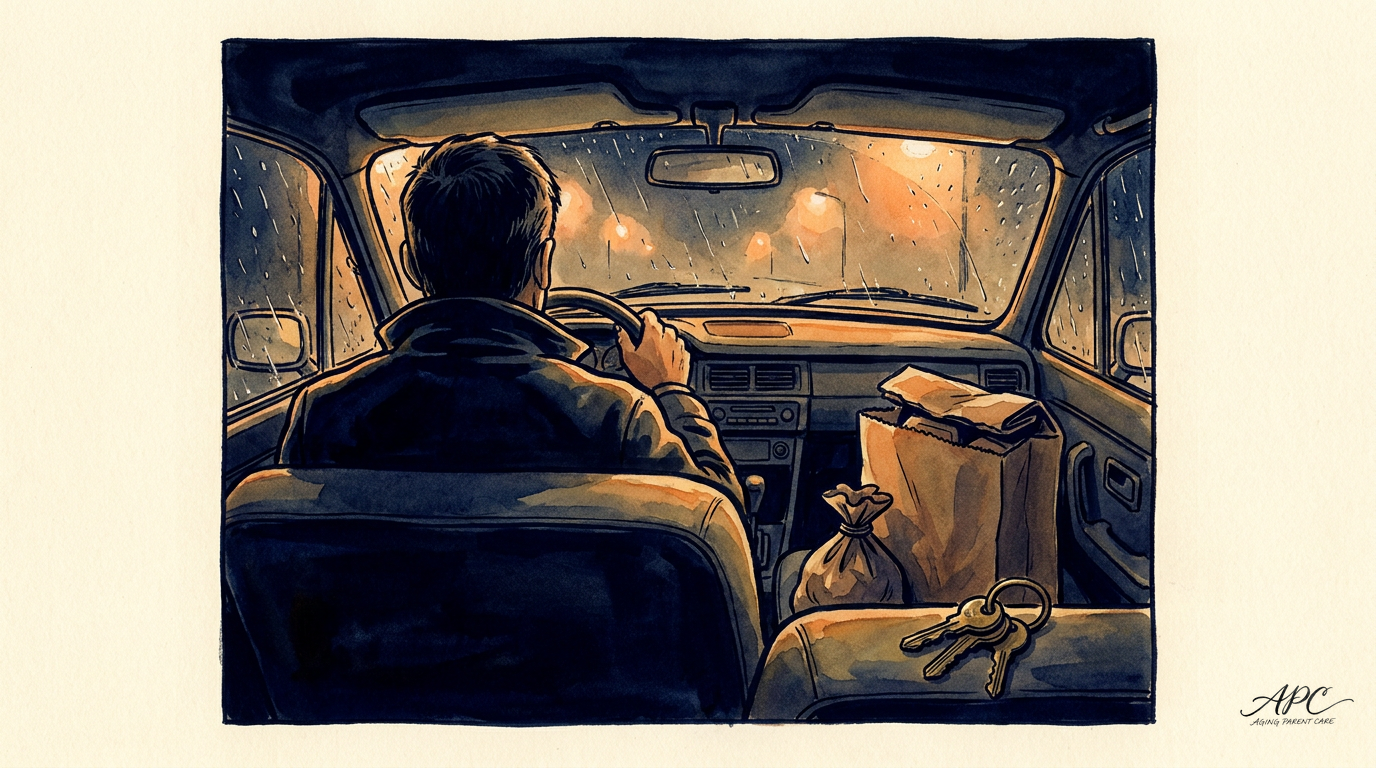
Robert Aquino didn't think of himself as depressed. He was tired. He was fifty-eight, working as a building inspector in Sacramento, and spending every evening and weekend managing his father's declining health. His father, eighty-three, had vascular dementia and lived twelve minutes away in a one-story house that was slowly becoming unsafe. Robert handled the medications, the doctor appointments, the bills, the midnight phone calls when his father forgot where he was. He'd been doing it for fourteen months. His wife told him he'd changed. He said he was just worn out.
A 2026 study published in Aging and Mental Health examined 139 family caregivers over multiple assessment periods and found something that puts a sharper edge on what Robert was experiencing.1 The researchers measured caregiver depression and anxiety at repeated intervals. Their central finding: when subjective burden remained elevated for two consecutive months or longer, the probability of clinically significant depression and anxiety increased substantially. Not just feeling low. Not just stress. Clinical threshold.
Two months. That's the line the data drew.
When sustained burden becomes clinical risk
- A 2026 study of 139 family caregivers found that burden elevated for two consecutive months or longer raised the probability of clinically significant depression and anxiety.
- Clinical depression differs from ordinary stress: it persists, and it does not lift with a weekend off.
- Even modest, sustained reductions in burden, such as a few hours of respite a week, may interrupt the pathway.
- A primary care depression screen takes under five minutes; treatment options include therapy, medication, and respite.
The Difference Between Stress and Clinical Risk
Most caregivers experience stress. That's expected and, to some degree, normal. It is hard work under difficult conditions with limited support. Stress shows up as irritability, a shorter fuse, less patience with things that used to be manageable.
Clinical depression is different. It involves persistent changes in mood, energy, concentration, appetite, and the ability to experience pleasure. It doesn't lift after a good night's sleep or a weekend off. It settles in. It changes how a person interprets their own life.
What the 2026 study clarified is that the transition from normal stress to clinical risk tracks directly with duration. Acute burden (a hospital crisis, a difficult week, a bad fall) can spike stress without pushing someone into clinical territory. But when that burden doesn't resolve, when it grinds on for eight weeks or more, the neurological and psychological effects compound. Cortisol stays elevated. Sleep architecture degrades. Emotional reserves deplete beyond the point of natural recovery.1
The researchers were careful to distinguish between momentary distress and sustained burden. A caregiver who scores high on a burden scale in one assessment but lower in the next is experiencing fluctuation. A caregiver who scores high in two or more consecutive assessments is on a different trajectory entirely.
Why Two Months Matters
Two months isn't an arbitrary cutoff. It aligns with what clinicians have observed for years about the onset of major depressive episodes. The DSM-5 requires symptoms to be present for at least two weeks for a depression diagnosis, but the pathway into a full episode often builds over a longer runway.2 The caregiver context accelerates this because the stressor doesn't go away. There's no end date. There's no finish line in sight.
Caregiving burden differs from job stress or financial pressure or grief after a loss. Those stressors, while real, often have some trajectory. They shift. Caregiving burden for a parent with dementia or progressive illness tends to increase over time, not decrease.4 The study's finding suggests that the body and mind begin to register this permanence around the two-month mark.
A caregiver who scores high in two or more consecutive assessments is on a different trajectory entirely.

What Caregivers Often Miss in Themselves
Caregivers are notoriously poor at self-assessment. The role rewards self-denial. The instinct is to push through, to assume the parent has it worse, to compare the situation to someone else's and decide there's no right to struggle.
Signs that the pattern has crossed into something more than fatigue include:
- Lost interest. Things that used to matter now feel pointless, beyond what busyness alone explains.
- Disrupted sleep. Waking at 3 a.m. with a racing mind or a flat, heavy feeling that doesn't lift by morning, even when the parent isn't the cause.
- Withdrawal. Pulling away from friends, leaving calls unreturned even when the calendar is wide open.
- Emotional shift. Crying more than before, or feeling nothing at all. Both count.
- Dark thoughts. Thoughts that family would be better off, or that going on feels impossible. These require immediate attention.
What to Do When the Pattern Shows Up
The first step is honest acknowledgment. Drop the "I'm fine, just tired" script. A feeling that has lasted longer than a rough patch may need professional support.
Talk to a primary care doctor. Depression screening takes less than five minutes. The PHQ-9, the most commonly used screening tool, is nine questions.3 Doctors have seen this before. Caregiver depression is a predictable medical outcome of sustained stress. Not a weakness. Not a failure. A predictable outcome.5
Where therapy is accessible, a therapist experienced in caregiver issues can help build strategies that account for the reality of the situation. Cognitive behavioral therapy has strong evidence for caregiver depression. So does acceptance and commitment therapy.6
Medication is an option, not a sentence. SSRIs and SNRIs can stabilize mood and reduce anxiety while other supports get built. Many caregivers resist medication because they feel they should be able to handle it. That resistance is itself a symptom of the problem.
Respite and caregiver support services
A service category that helps arrange a few hours of regular relief, from adult day programs to in-home aides, so sustained load gets broken before it compounds.
A recommendation slot for a related tool. We may earn a commission, never on a recommendation. This space is reserved and is not yet live.
Here's something the study implies that's worth sitting with: even modest reductions in sustained burden may interrupt the pathway to clinical depression. Respite care, even a few hours a week, breaks the cycle of sustained load.7 Adult day programs. A paid aide for bathing and meals. A sibling who takes one weekend a month. The goal isn't to overhaul everything. The goal is to break the streak.
Robert Aquino eventually saw his doctor after his wife made the appointment for him. His PHQ-9 score was 17 (moderately severe depression). He started a low-dose SSRI and began seeing a therapist every other week. He also hired an aide for three afternoons, giving him time to sleep and eat a real meal and sit in his backyard without his phone for the first time in months.
He told his wife he felt like he'd been underwater for a year and hadn't known it.
Two months isn't a long time. The line between tired and clinically depressed sits closer than most caregivers believe, and the study's data confirms it. After eight weeks or more of strain without relief, the question isn't really about stress. It's whether the body and mind have already begun to change. The honest answer may be yes.
A 2026 study found that caregiver burden sustained for two consecutive months or longer sharply raised the risk of clinically significant depression and anxiety. A five-minute screen, therapy, medication, and even a few hours of weekly respite are real ways to interrupt that pathway.
Sources
- Aging and Mental Health. "Sustained Caregiver Burden and Risk of Clinically Significant Depression and Anxiety: A Longitudinal Study." 2026.
- American Psychiatric Association. Diagnostic and Statistical Manual of Mental Disorders, Fifth Edition (DSM-5).
- Kroenke, K., Spitzer, R.L., and Williams, J.B. "The PHQ-9: Validity of a Brief Depression Severity Measure." Journal of General Internal Medicine, 2001.
- Foley, K.L., et al. "Caregiver Burden and Its Relationship to Depression: Systematic Review and Meta-Analysis." Research in Nursing and Health, 2023.
- AARP. "Depression in Caregivers: Recognizing the Signs and Getting Help." AARP Caregiving Resource Center.
- Cuijpers, P., et al. "Psychological Treatment of Depression in Primary Care." Current Psychiatry Reports, 2014.
- Family Caregiver Alliance. "Respite Services: Getting the Break You Need." National Center on Caregiving.
This article is for educational and informational purposes only. It does not constitute medical or financial advice. Always consult qualified professionals for guidance specific to your situation.
© 2026 Aging Parent Care. All rights reserved. No portion of this article may be reproduced, distributed, or used in any form without the explicit written permission of Aging Parent Care.
Make Your Business Online By The Best No—Code & No—Plugin Solution In The Market.
30 Day Money-Back Guarantee
Say goodbye to your low online sales rate!