


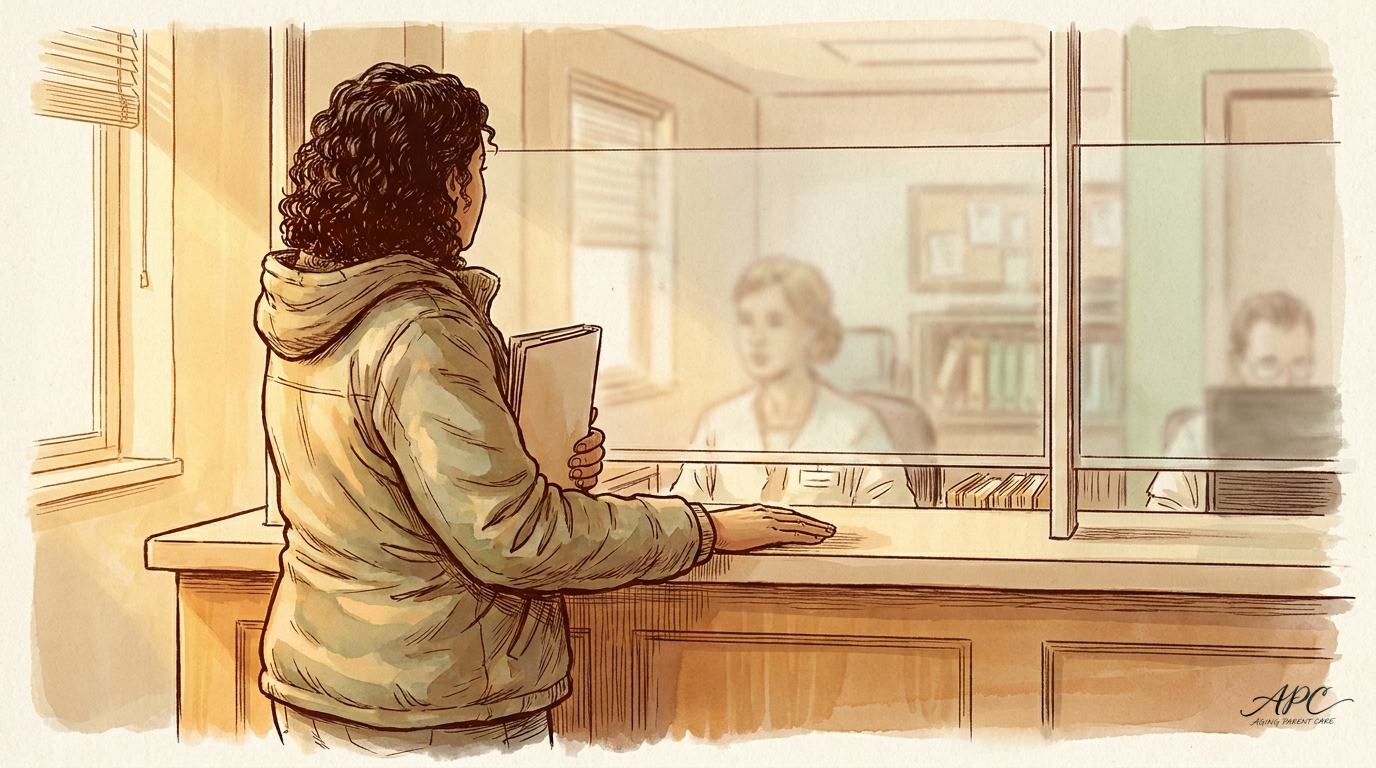
The Elder Scam Playbook: How to Protect Your Parent's Money Before Someone Else Takes It
Margaret Solis had been a high school librarian in Portland for thirty-one years. She kept meticulous records, paid her bills on the first of every month, and balanced her checkbook by hand. So when her daughter, Carla, found a $4,200 wire transfer to a cryptocurrency exchange on her mother's bank statement, it did not fit the woman she knew.
By the time Carla pieced it together, $11,600 was gone. Margaret had not told anyone, because the man who called claiming to be from the Social Security Administration had warned her she would be arrested if she involved her family.
She should not have had to know how to spot it. The machinery that took her money is enormous, professional, and growing faster than any agency can contain.
The scale of what families are facing
In 2025, adults over 60 lost $7.75 billion to cybercrime, a 59% increase from the year before, according to the FBI's Internet Crime Complaint Center.1 Reports of losses above $100,000 among adults 60 and older have risen nearly sevenfold since 2020.
Two things changed. Social media became the main pipeline for first contact, and AI now makes a stranger's voice or face convincing in seconds.
Scam victims are not gullible. They are targeted by professionals running operations with call centers, scripts, and quotas.
The five scams that take the most money
Knowing the specific mechanics helps more than a general warning to be careful. These five drain the most from older adults.
- Investment and crypto fraud. Roughly $3.52 billion in 2025. It often starts as a casual conversation on social media that turns into a can't-miss opportunity.1
- Tech-support scams. About $1.04 billion. A pop-up warns that the device is compromised and gives a number to call; the technician then asks for remote access.
- Romance scams. About $584 million. The relationship builds over months, sometimes with AI-generated photos and video, before money is ever mentioned.
- Government impersonation. The kind that caught Margaret. A caller claims to be from the IRS, Social Security, or Medicare and runs on fear and the threat of arrest.
- Grandparent scams. A caller claims to be a grandchild in trouble, and AI voice cloning now makes the voice sound real.
Warning signs a parent may be targeted
- Unusual money movement. Large withdrawals, wire transfers they cannot explain, or new accounts at unfamiliar institutions.
- New secrecy about money. A sudden reluctance to discuss finances, or defensiveness when the subject comes up.
- Changed mail. Stacks of unopened envelopes, or statements that stop arriving because someone redirected them.
- A new contact who insists on urgency or secrecy, whether a friend, a suitor, or an official.
A call-blocker for the home phone
Where we land on the simplest way to cut scam calls off before they reach a parent, with the trade-offs stated plainly.
A recommendation slot for a related tool. We may earn a commission, never on a recommendation. This space is reserved and is not yet live.

What you can do before it happens
Protection works best when it is set up before there is a crisis. None of this is about taking control of a parent's life. It is about building guardrails they keep control of.
- Start the money conversation now. Ask where the accounts are, who has access, and whether they have set up any new financial relationships.
- Turn on account alerts. Most banks can text or email for any transaction over a set amount, and the parent keeps full control.
- Add a trusted contact to financial accounts. FINRA rules let brokerages contact a designated person if they suspect exploitation.2
- Freeze their credit at all three bureaus. It is free, and for a retiree not applying for credit it blocks new accounts opened in their name.3
- Lock down the phone. Register the number on the Do Not Call list and turn on the carrier's call screening.
If it has already happened
Speed matters. Here is what to do in the first 48 hours.
- Call the bank or financial institution immediately. A recent transfer can sometimes be frozen or reversed.
- Report it to the FBI's IC3 and the FTC. A report creates a record and can help with recovery.3
- If they gave remote access to a computer, disconnect it from the internet, have it professionally cleaned, then change passwords on every financial account.
And then do the hardest thing: don't blame them. The shame of being scammed is what keeps millions of older adults from ever reporting it.
Elder fraud is run by professionals, and it is not aimed at the gullible. Set the guardrails before a crisis: have the money conversation, turn on alerts, add a trusted contact, and freeze their credit. If it has already happened, move in the first 48 hours, and lead with support, not blame.
Sources
- FBI Internet Crime Complaint Center. "2025 IC3 Annual Report." 2025. ic3.gov
- FINRA. "Trusted Contact Person." finra.org
- Federal Trade Commission. "Protecting Older Consumers." ftc.gov
This content is for educational and informational purposes only. It is not a substitute for professional medical, legal, or financial advice. Always consult qualified professionals for guidance specific to your situation. Statistics cited were accurate at the time of publication and may have changed.
Make Your Business Online By The Best No—Code & No—Plugin Solution In The Market.
30 Day Money-Back Guarantee
Say goodbye to your low online sales rate!