

The 11 Signs It Is Time to Move Your Parent. Number 6 Is the One Families Miss.
The fall happened on a Thursday. James Okafor's mother, 81, slipped on the bathmat in her house in Durham, North Carolina, and lay on the tile floor for two hours before she could reach her phone. She didn't break anything. She was fine, she said. She wanted to stay home.
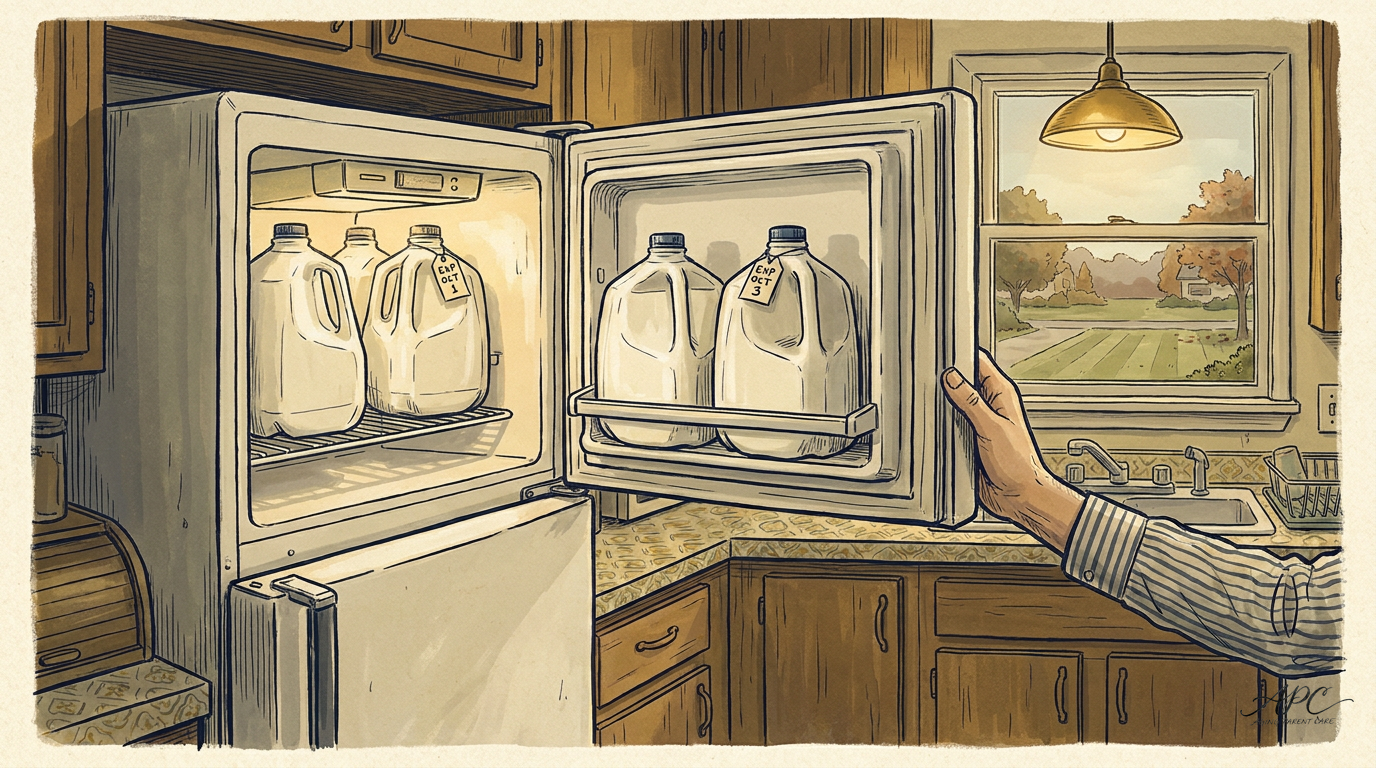
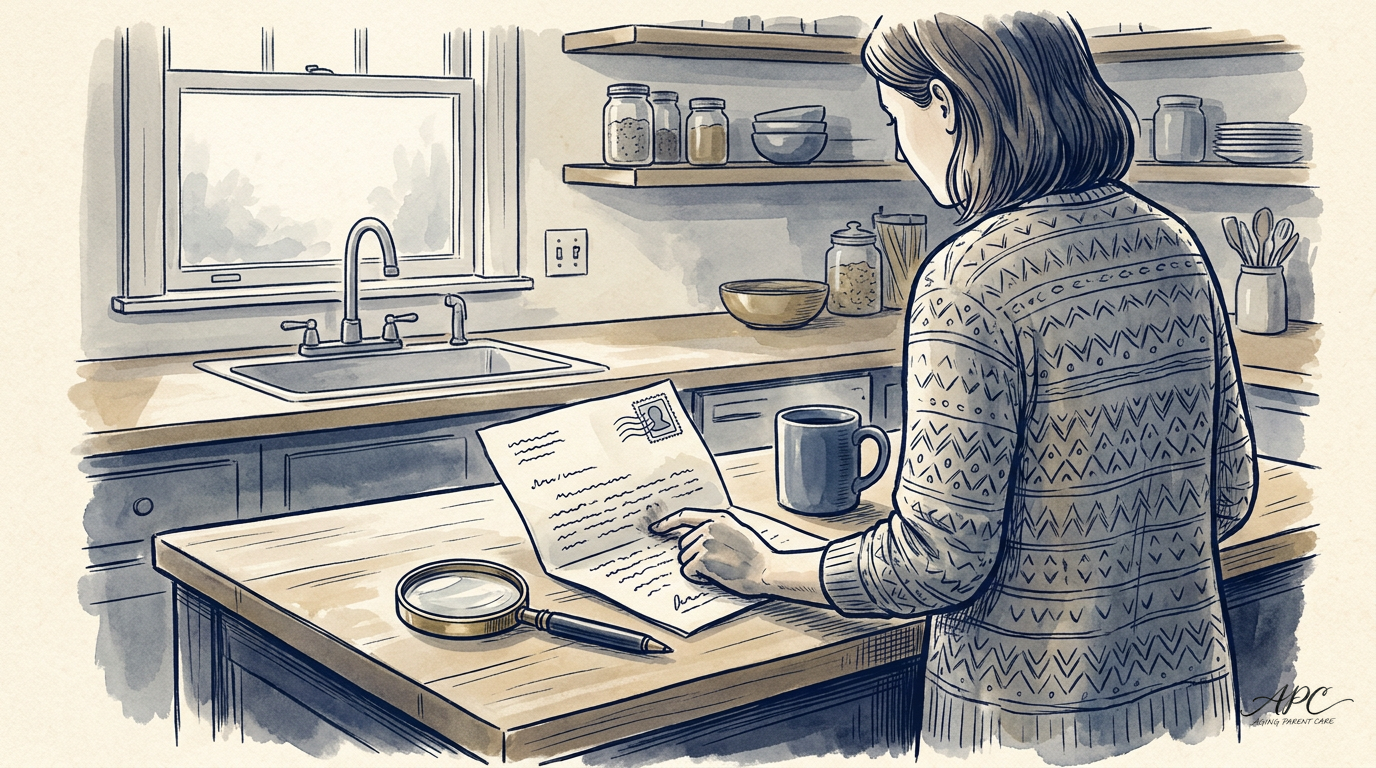
James drove over that night. The refrigerator held a carton of expired milk and a jar of pickles. Three days of mail sat unopened on the kitchen counter. The house smelled faintly of something he couldn't identify. His mother, sitting in her recliner with an ice pack on her hip, looked smaller than he remembered.
"She was fine" is the sentence families repeat until the evidence makes it impossible. Deciding when to move a parent out of their home and into assisted living is one of the hardest decisions most families face, and most make it reactively, after a crisis, when the options are fewer and the pressure is higher.
The clinical threshold is straightforward: when a person needs consistent help with more than one activity of daily living (ADL), the home environment alone usually isn't enough.4 Assisted living costs in 2026 range from $4,100 to $9,000 per month depending on region and level of care, with annual increases averaging 4.4%.3 The best time to plan is before the fall that forces it. Here are 11 warning signs. Some are obvious. One isn't.
The first five signs
- Frequent falls or near-falls. A single fall can be an accident. Two or more falls in six months suggest a pattern of strength or cognitive decline that grab bars alone can't correct.2
- Medication mismanagement. Missing or doubling doses, confusing medications. Pills scattered on the counter, or a prescription that ran out two weeks ago and was never refilled, means the system has broken down.
- Noticeable weight loss. Unintentional weight loss of more than 5% of body weight in six months is a clinical red flag. It often means a parent is skipping meals or can no longer prepare food.
- Declining personal hygiene. The same clothes for multiple days. Infrequent bathing. Unwashed hair. Body odor. Signs that the physical tasks of self-care have become too difficult, or that the cognitive drive to perform them has faded.
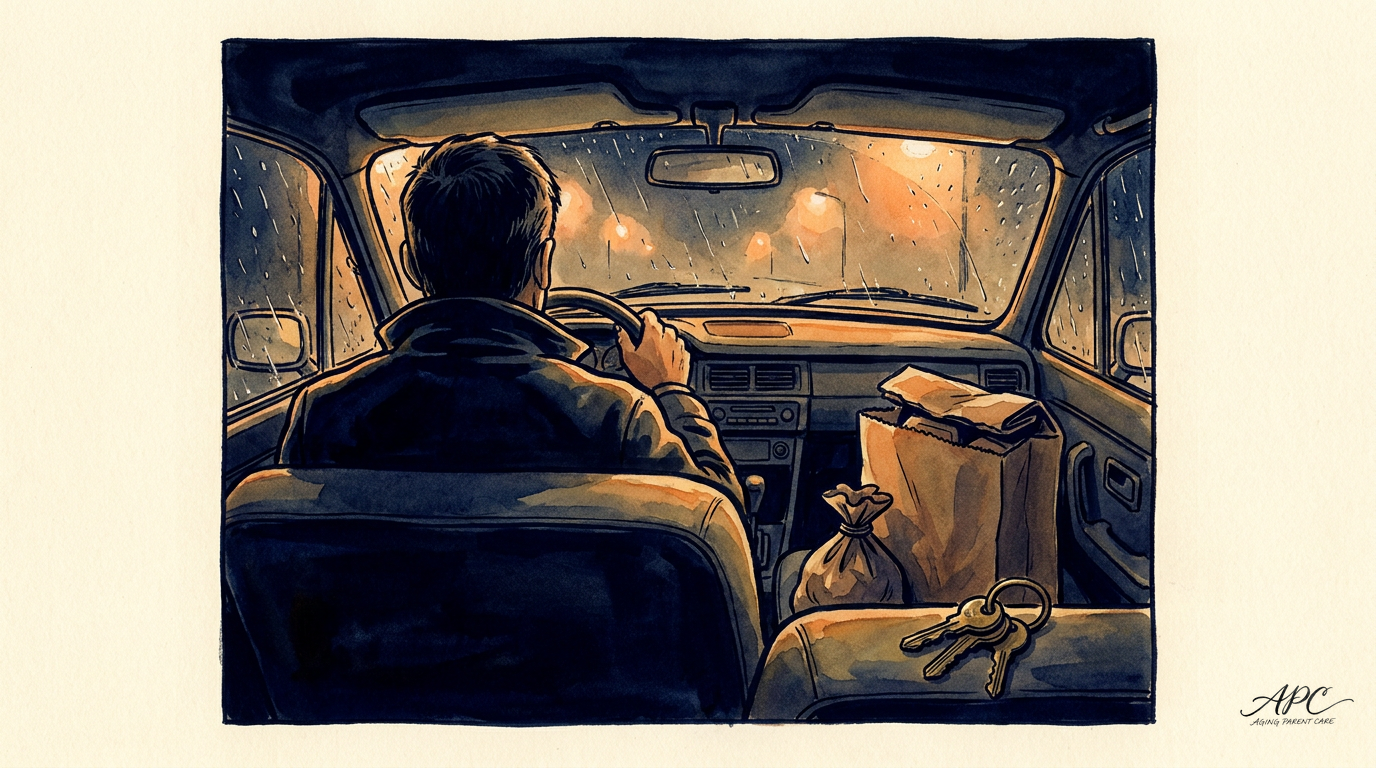
- Unsafe driving. Scrapes on the car. Getting lost on familiar routes. Running stop signs. A 2024 AAA Foundation study found that adults over 75 involved in fatal crashes were more likely to have had prior cognitive impairment that went unaddressed. A simple test: being afraid to ride in the car with a parent is itself data.
Sign 6: Social withdrawal (the one families miss)
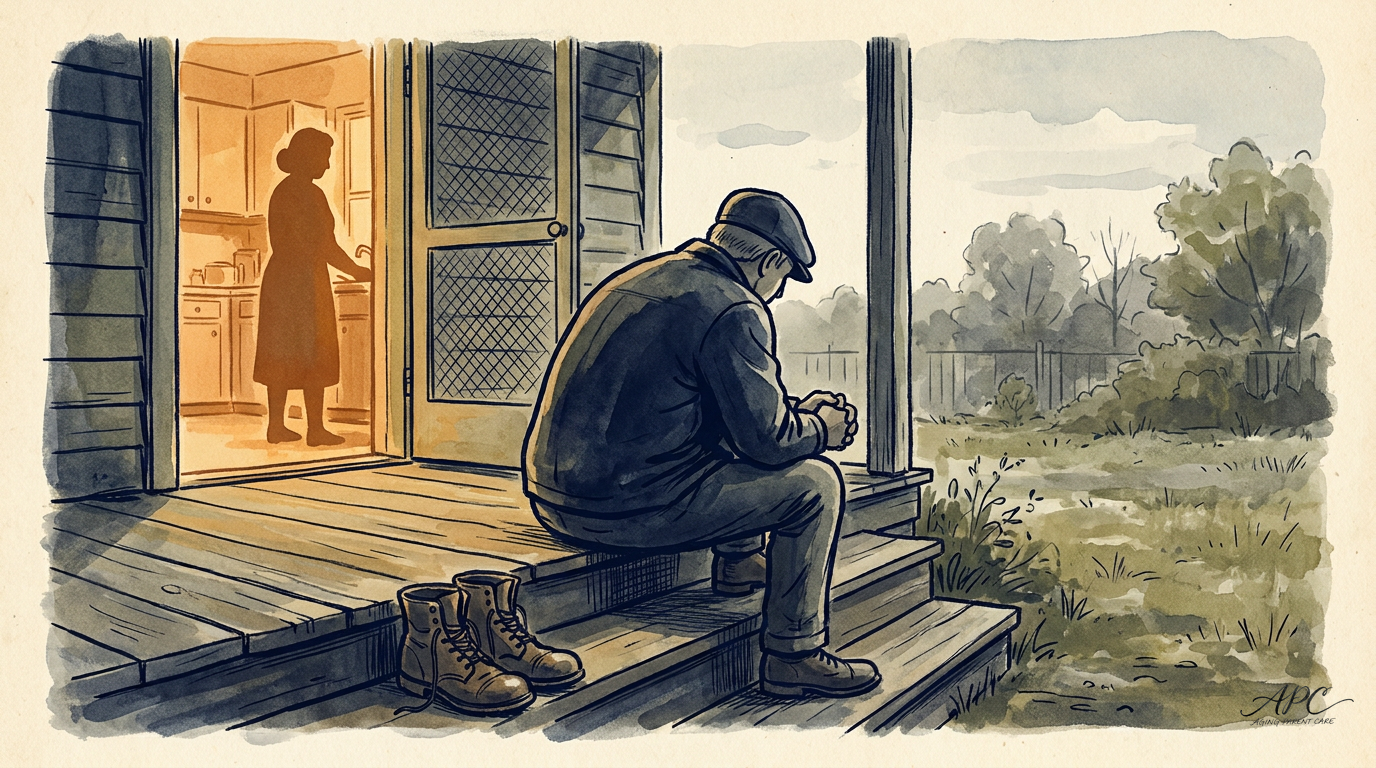
It's easy to notice when a parent can't walk to the bathroom or forgets to take their heart medication. Physical decline is visible. Social withdrawal is quiet.
A mother who used to go to book club every second Tuesday stops three months ago. A father who used to call his friend Ray every Sunday hasn't called in weeks. Church attendance drops off. The neighbor who used to come by for coffee hasn't seen the parent in a month.
The withdrawal happens before the falls and before the medication errors. It's the early warning system, and because it doesn't leave a bruise, it often goes unregistered until the louder signs arrive.
Social withdrawal in elderly adults is often the first behavioral marker of cognitive decline or depression. A 2023 study from the National Institute on Aging found that social isolation in adults over 65 was associated with a 50% increased risk of dementia and a 29% increased risk of coronary heart disease.1 When a parent has stopped doing the things they used to enjoy with other people, that's not a lifestyle choice. It's a clinical signal.
Signs 7 through 11
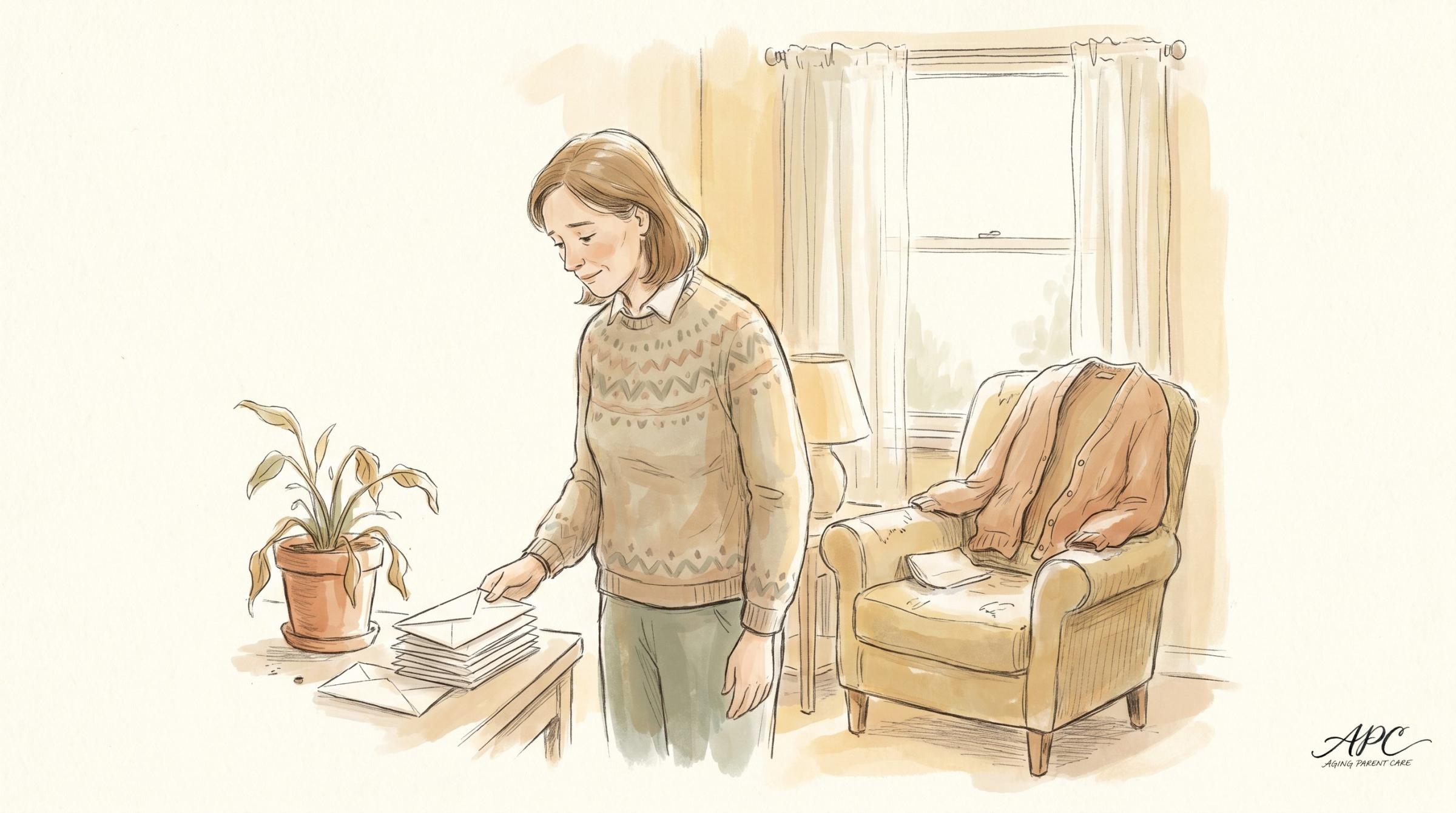
- The house is deteriorating. Burnt pots on the stove. Piles of unopened mail. Expired food in the refrigerator. A once-maintained yard now overgrown. The house reflects a parent's capacity, and when the house declines, the person has usually declined first.
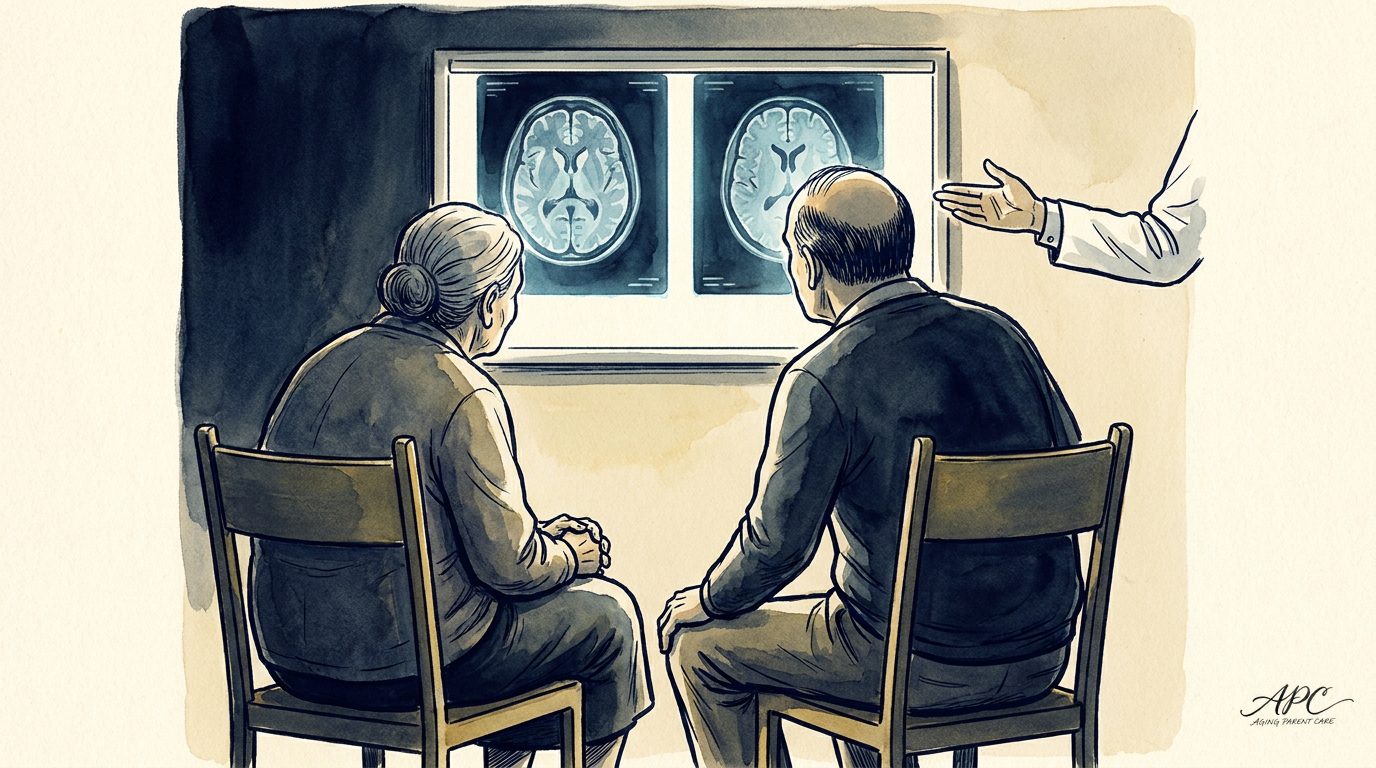
- Increased confusion or disorientation. Getting lost in their own home. Not recognizing familiar faces. Asking the same question repeatedly within minutes. Confusing day and night. These cognitive markers need professional assessment.
- Caregiver exhaustion. This sign is about the caregiver, not the parent. Lost sleep and new health problems from the care demands mean the current arrangement is failing both people. A caregiver's breakdown won't help a parent.5
- Wandering. A parent who has left the house confused about where they are or where they're going, especially at night, is at immediate safety risk. Wandering is one of the most dangerous behaviors in dementia and often accelerates the timeline for facility placement.6
- They've said so themselves. Sometimes a parent will say, quietly, that they think it might be time. "I don't want to be a burden." "Maybe I should look at one of those places." It's easy to dismiss this as premature, or because agreeing carries guilt. But if a parent has opened that door, the conversation is easier when they're the one who started it.
A medical alert system for a parent still at home
Where we land on the simplest fall-detection and call-for-help option for a parent aging in place, with the trade-offs stated plainly.
A recommendation slot for a related tool. We may earn a commission, never on a recommendation. This space is reserved and is not yet live.
How to use this list
- No single sign is a verdict. Three or more together is the threshold for the conversation.
- Have the calm version, not the crisis version. At the kitchen table, not the hospital bedside.
- Tour facilities before you need one. Visit three, ask about staff-to-resident ratios and what happens when needs increase.
- Plan while options are open. While a parent can still take part and the move can happen on their terms.
How to use this list
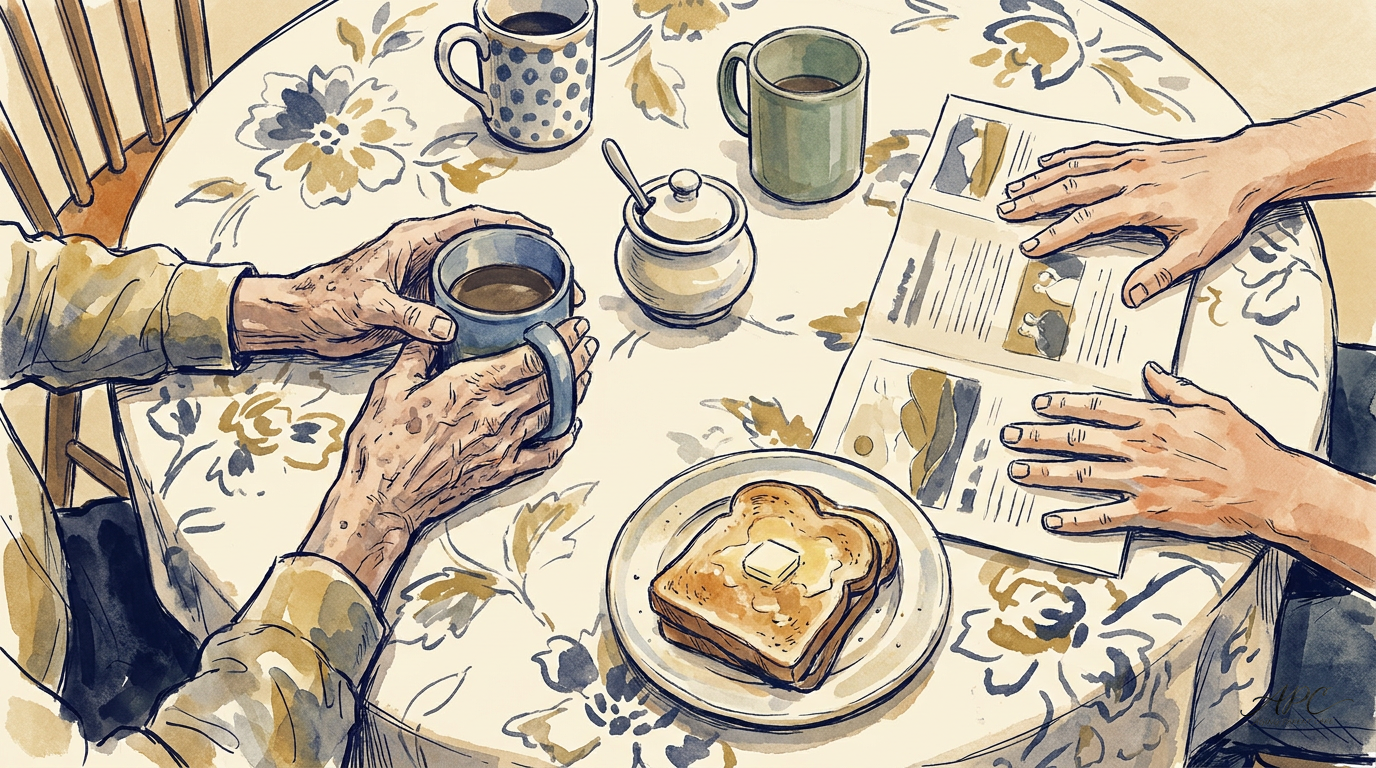
No single sign is a verdict. But three or more in the same parent means the conversation needs to happen. Not the crisis conversation at the hospital bedside. The calm conversation at the kitchen table, with a cup of coffee: "I've been noticing some things, and I want to talk about what comes next."
Start by touring facilities before one is needed. Assisted living communities vary enormously in quality and cost. Visit three. Ask about staff-to-resident ratios and what happens when a resident's needs increase. Ask current residents' families what they wish they'd known. Worth doing even if it feels premature, and especially if it feels premature. The families who do this well start planning while the options are still open, while their parent can still participate in the decision and the move can happen on their terms.
The clinical signs of an unsafe home are often visible long before the crisis that forces a move. Three or more of these signs together is the cue to start the calm conversation, and the families who fare best tour communities while the choice is still theirs to make.
Sources
- National Institute on Aging. Social Isolation, Loneliness in Older People Pose Health Risks.
- Centers for Disease Control and Prevention. Falls Are Leading Cause of Injury and Death in Older Americans.
- Genworth Financial. Cost of Care Survey 2024.
- AARP. Activities of Daily Living: What Are ADLs and IADLs?
- Family Caregiver Alliance. Taking Care of YOU: Self-Care for Family Caregivers.
- Alzheimer's Association. Wandering and Getting Lost.
This article is for educational and informational purposes only. It does not constitute medical or financial advice. Always consult qualified professionals for guidance specific to your situation.
Make Your Business Online By The Best No—Code & No—Plugin Solution In The Market.
30 Day Money-Back Guarantee
Say goodbye to your low online sales rate!