
$1 Trillion in Invisible Labor: What the 2026 AARP Caregiving Report Means for Your Family
The number is $1 trillion.
That's what AARP's March 2026 "Valuing the Essential" report calculates as the annual economic value of unpaid family caregiving in the United States. It's larger than the entire federal Medicaid budget. It exceeds the GDP of Saudi Arabia. And none of it shows up on a paycheck or a W-2.2
Behind the trillion-dollar figure sit the people doing the work.
What the 2026 report counts
- 59 million caregivers. Americans who provided unpaid care to an adult family member or friend in the past year.
- 49.5 billion hours. The total they logged over twelve months.
- $20.41 per hour. The value now placed on a single hour of that care.
Those numbers are useful for policy debates. But the question that matters in a single household is simpler: what does this actually cost one family?
The Math for One Person
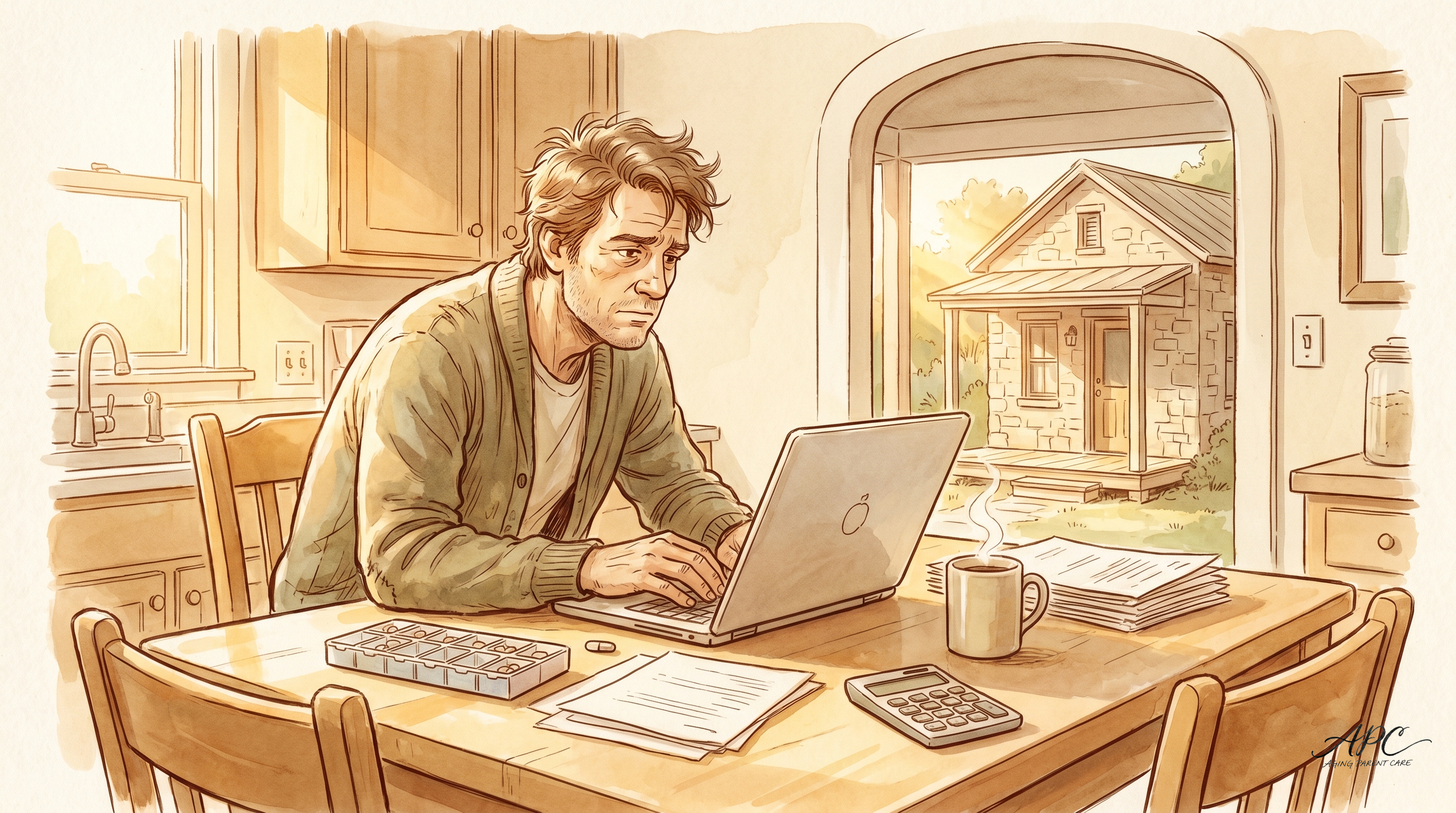
Rachel Tsai is 47. She lives in Mesa, Arizona, and works as a dental hygienist. Her mother, who is 79 and has moderate vascular dementia, lives in a casita behind Rachel's house. Rachel gets her mother dressed each morning, prepares meals, manages her medications, drives her to appointments, handles her insurance paperwork, and stays awake when her mother wanders at night.
A conservative estimate of Rachel's caregiving hours: 35 per week. At the AARP valuation of $20.41 per hour, that's $37,146 per year in uncompensated labor. Over five years, that total reaches $185,730.
The money she's losing today is also money she won't have at 67.
And the real cost runs deeper. Rachel dropped from full-time to part-time three years ago. That cost her roughly $18,000 in annual wages, plus employer-sponsored retirement contributions, plus compounding growth.

The Invisible Workforce
The AARP report confirms what many caregivers already describe: the caregiving economy runs on the unpaid labor of people who can't afford to say no.1 The employment picture shows the squeeze.
- 61% also hold a paying job. Most caregiving happens on top of full work schedules.
- 24% have reduced their hours. Care time gets carved out of paid time.
- 13% have turned down a promotion. Careers stall while the caregiving continues.
- 6% have quit entirely. For some, the two roles stop fitting in one life.
And 43 percent of caregivers have no backup. No sibling, no aide, no respite. If they stop, there's no one.3
Out-of-pocket caregiving expenses average $7,242 per year. Twenty-eight percent of family caregivers report using up their personal savings. Fifteen percent have taken on debt.5
What a Family Can Actually Do
The figures are heavy, but several of them point straight at practical moves.
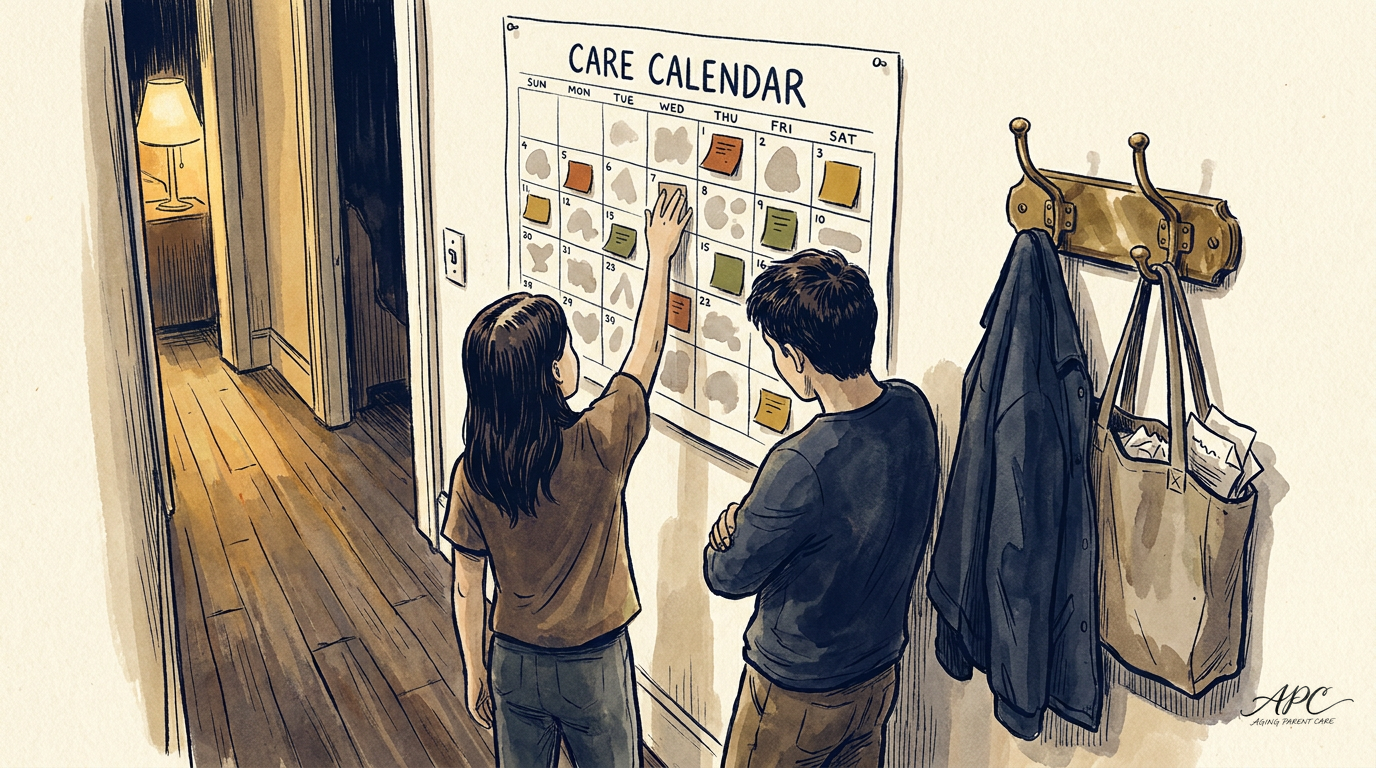
- Quantify it. Use a simple time log for two weeks. Multiply by $20.41. The number will be uncomfortable. That's the point.
- Look at underused programs. Thirty-seven states now have Medicaid-funded self-directed care programs that let a family member get paid as a caregiver. The VA's Aid and Attendance benefit provides up to $2,431 per month for eligible veterans.
- Protect retirement. A Roth IRA (2026 limit: $7,000, or $8,000 at 50+) lets even small contributions compound over twenty years.
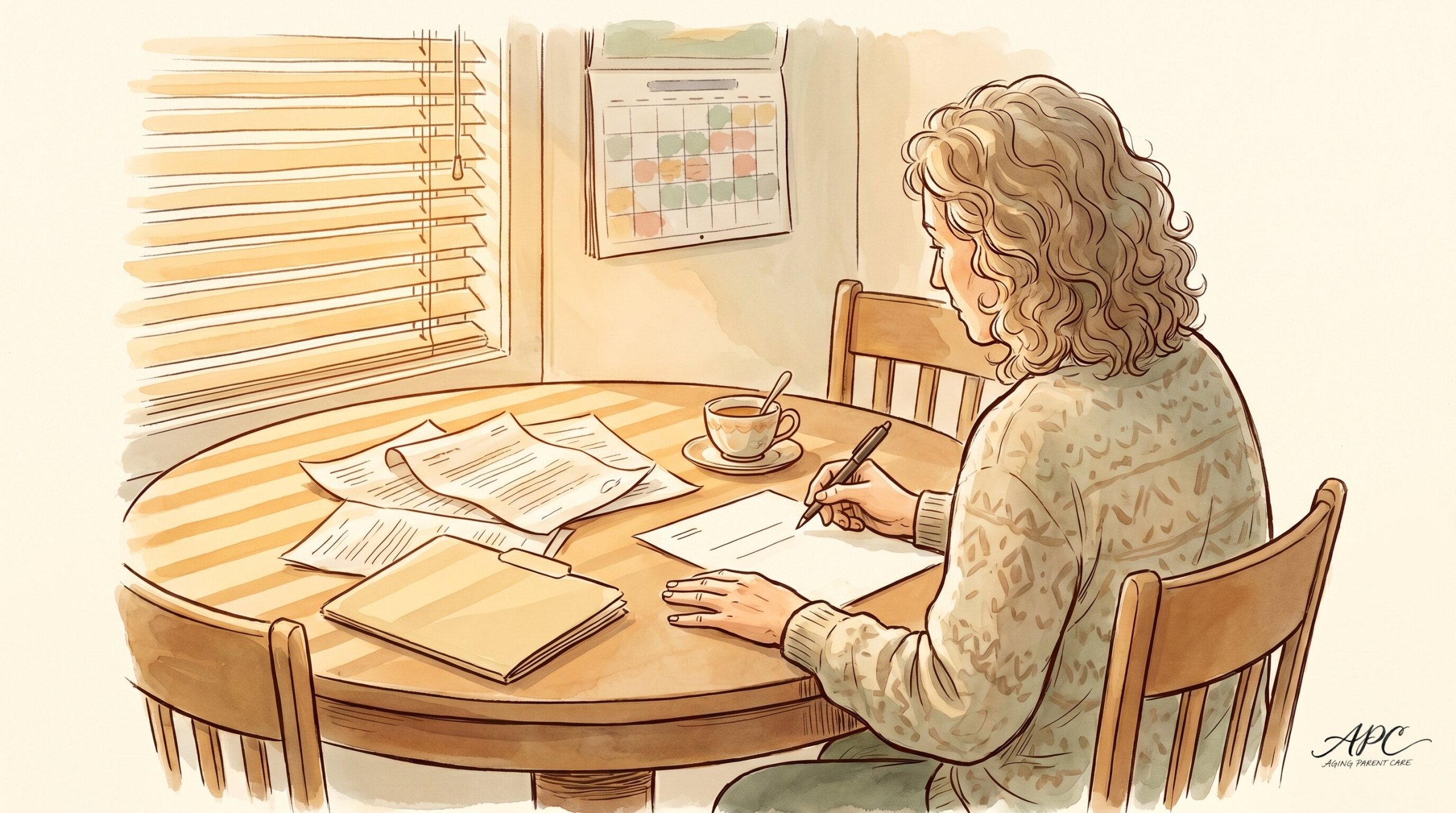
- Document everything. A simple caregiver agreement can prevent a catastrophic Medicaid denial later. One piece of paper now could save tens of thousands.
A benefits-screening tool for caregiver programs
Where we land on the simplest way to check eligibility for Medicaid self-directed care, VA benefits, and state programs, with the trade-offs stated plainly.
A recommendation slot for a related tool. We may earn a commission, never on a recommendation. This space is reserved and is not yet live.
Rachel Tsai doesn't think of herself as part of a trillion-dollar workforce. She thinks of herself as someone who loves her mother and doesn't have a choice. Both things are true. The math is also true.
Family caregiving is worth $1 trillion a year precisely because it is unpaid. Naming the cost in a single household is the first step toward the programs built to offset it.
Sources
- AARP Public Policy Institute. "Valuing the Invaluable: 2026 Update." AARP, 2026.
- AARP. "Economic Value of Family Caregiving Reaches $1 Trillion Dollars Annually." AARP Press Release, March 2026.
- AARP and National Alliance for Caregiving. "Caregiving in the U.S. 2025." AARP Public Policy Institute, 2025.
- AARP. "New Report Reveals Crisis Point for America's 63 Million Family Caregivers." AARP Press, July 2025.
- AARP. "The Overwhelming Financial Toll of Family Caregiving." AARP, 2025.
- National Alliance for Caregiving. "Caregiving in the U.S. 2025: Report Highlights & Key Messages." NAC, 2025.
This content is for educational and informational purposes only. It is not a substitute for professional medical, legal, or financial advice. Always consult qualified healthcare providers or financial advisors for guidance specific to your situation.
© 2026 Aging Parent Care. All rights reserved. No portion of this article may be reproduced, distributed, or used in any form without the explicit written permission of Aging Parent Care.
Make Your Business Online By The Best No—Code & No—Plugin Solution In The Market.
30 Day Money-Back Guarantee
Say goodbye to your low online sales rate!